

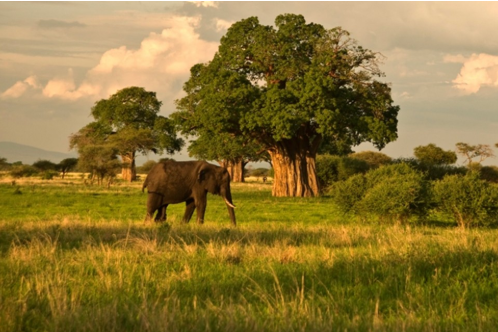
The decision to embark on a Tanzanian safari marks the beginning of what could become one of life’s most profound travel experiences. Tanzania safari packages serve as gateways to witnessing nature’s grandest spectacles, from thundering wildebeest migrations to intimate predator-prey dramas unfolding across ancient landscapes. Yet navigating the overwhelming array of package options, understanding what separates memorable experiences from forgettable ones, and ensuring your hard-earned investment delivers promised returns requires knowledge that extends beyond glossy brochures and persuasive marketing campaigns.
Foundation Elements of Quality Packages
Every Tanzania safari package consists of interconnected components that collectively determine experience quality. Transportation infrastructure forms the backbone, with purpose-designed safari vehicles featuring elevated seating, panoramic windows, and pop-up or open roofs enabling optimal wildlife observation. The distinction between well-maintained modern Land Cruisers and aging converted minivans dramatically affects comfort during long drives across rough terrain, yet many travelers overlook this critical element when comparing packages based primarily on accommodation descriptions.
Professional guiding represents another foundational element whose importance cannot be overstated. Guides serve simultaneously as wildlife experts, bush safety managers, cultural interpreters, and problem-solvers when unexpected challenges arise. Their accumulated knowledge about animal behavior patterns, seasonal movement corridors, and optimal viewing locations directly impacts how many significant wildlife encounters occur throughout your safari. A knowledgeable guide can transform an ordinary day into an extraordinary one through strategic positioning and keen observation skills.
Accommodation arrangements complete the foundational triad, ranging from authentic bush camps where canvas separates you from wilderness sounds to architectural masterpieces offering refined comfort without sacrificing environmental integration. The accommodation tier you select influences daily comfort levels, but more importantly, its geographic positioning relative to prime wildlife areas determines how much time you spend viewing animals versus traveling to reach them. Strategic accommodation placement can add hours of productive wildlife viewing to each safari day.
Regional Package Frameworks
Tanzania’s geography creates distinct safari regions, each offering unique characteristics and wildlife viewing profiles. The northern safari corridor remains Tanzania’s flagship destination, encompassing the world-renowned Serengeti ecosystem, the spectacular Ngorongoro Crater, Tarangire’s elephant congregations, and Lake Manyara’s diverse habitats. Packages focusing on this region benefit from exceptional infrastructure, reliable year-round wildlife presence, and convenient access from international airports, making them ideal foundations for first-time African safari experiences.
Southern Tanzania presents compelling alternatives through Ruaha National Park’s raw wilderness character and Nyerere National Park’s unique boat-based wildlife viewing opportunities. Packages incorporating southern destinations typically involve fly-in logistics due to substantial distances from northern entry points, adding costs while dramatically reducing overland travel time. These regions attract experienced safari travelers seeking fresh territory beyond the heavily marketed northern parks, offering solitude and authentic wilderness atmospheres increasingly difficult to find in more popular areas.
Western Tanzania’s remote parks create ultra-specialized package opportunities for adventurous travelers with generous time and financial resources. Katavi National Park delivers extraordinarily concentrated wildlife viewing during dry season months when animals gather around limited water sources, while Mahale Mountains and Gombe Stream provide chimpanzee trekking experiences unavailable elsewhere in Tanzania. Western circuit packages demand acceptance of basic infrastructure and logistical complexity in exchange for unparalleled remoteness and unique primate encounters complementing traditional savanna wildlife viewing.
Package Duration Architectures
Safari package duration profoundly influences both the depth of wildlife experiences and overall satisfaction levels. Abbreviated three to four-day packages provide condensed wildlife introductions suitable for travelers with severe time constraints or those incorporating safari components into broader East African itineraries. These streamlined offerings typically focus on easily accessible highlights like Ngorongoro Crater and one nearby park, delivering concentrated wildlife viewing without comprehensive ecosystem exploration. The compressed timeframe requires accepting limited flexibility and surface-level experiences rather than immersive wilderness engagement.
Standard week-long packages spanning five to eight days represent the industry’s sweet spot, balancing thorough wildlife exposure with reasonable vacation length parameters. These packages allocate sufficient time for multiple Serengeti nights enabling exploration of different regions following seasonal wildlife distributions, visits to three or four contrasting parks demonstrating Tanzania’s ecological diversity, and sustainable pacing that feels engaging without becoming exhausting. The duration provides enough time for fortune to favor travelers with exceptional sightings while maintaining freshness and enthusiasm throughout.
Extended safari packages exceeding nine days cater to passionate wildlife enthusiasts and those seeking comprehensive Tanzania immersion. These lengthy itineraries might combine multiple regional circuits, dedicate substantial time to migration tracking across vast Serengeti landscapes, incorporate specialized activities like extended walking safaris or community conservation programs, or simply embrace leisurely pacing with built-in rest days. The extended timeline creates flexibility for pursuing unexpected opportunities like rare species sightings or waiting patiently for specific behavioral observations that rushed schedules cannot accommodate.
Investment Tier Analysis
Entry-level packages priced between $150-300 per person daily emphasize accessibility over luxury, utilizing public campsites, shared group transportation, straightforward meal preparation, and standard guide services. These economical offerings demonstrate that transformative wildlife encounters remain achievable without premium spending, with basic camping’s immersive nature connection often creating more memorable atmospheric experiences than isolated luxury can replicate. Budget packages prove particularly valuable for travelers prioritizing extended duration over accommodation refinement, allowing longer safaris within fixed financial parameters.
Mid-tier packages occupying the $350-750 daily range deliver comfortable lodge or permanent tented camp accommodations featuring private bathrooms, consistent electricity, quality dining, and typically more experienced guides. This category represents optimal value for many travelers, providing genuine comfort enabling restful recovery between game drives without luxury premiums that sometimes deliver marginal satisfaction improvements. Mid-range packages often include properties with excellent locations and good service standards, creating thoroughly satisfying experiences without financial strain.
Premium-tier packages exceeding $850 daily provide access to exclusive properties occupying privileged positions within private conservancies, exceptional personalized service with impressive staff-to-guest ratios, gourmet cuisine rivaling world-class restaurants, private guide arrangements allowing complete schedule flexibility, and supplementary experiences like hot air balloon flights or helicopter transfers. These luxury offerings cater to travelers for whom refined comfort, exclusivity, and exceptional service matter as significantly as wildlife viewing itself, justifying substantial premiums through elevated experiences across all dimensions.
Specialized Package Formats
Photography-oriented packages acknowledge that serious photographers require fundamentally different facilitation than casual wildlife viewers. These specialized offerings guarantee window seat positions ensuring unobstructed shooting access, provide extended observation periods at promising sightings for behavioral documentation, align departure schedules with optimal golden hour lighting conditions, utilize vehicles equipped with camera charging stations and stabilization supports, and employ guides understanding photographic priorities including composition principles and anticipatory animal behavior patterns. Some photography packages include professional photographer escorts providing real-time technical instruction and constructive image critiques.
Adventure-focused packages emphasize active physical engagement beyond vehicle-based observation through guided bush walks in designated zones, mountain biking where regulations permit, kayaking crater lakes, or scrambling volcanic formations. These activity-rich itineraries appeal to energetic travelers seeking experiential variety and those who find extended passive vehicle time constraining. The adventure components create different landscape connections while showcasing Tanzania’s geographic diversity extending beyond iconic grassland ecosystems, adding physical challenge dimensions to traditional wildlife observation.
Conservation-immersion packages incorporate educational visits to wildlife research stations, anti-poaching operational centers, community conservation initiatives, or animal rehabilitation facilities, creating substantive learning opportunities beyond surface wildlife viewing. These packages attract intellectually curious travelers and those exploring potential conservation support, providing realistic context for protection challenges while demonstrating how responsible tourism contributes tangibly to solutions. The educational enrichment transforms passive observation into active learning, often inspiring ongoing conservation engagement extending beyond safari conclusions.
Seasonal Dynamics and Strategic Timing
High season packages during June through October and December through February command premium pricing reflecting optimal weather reliability, concentrated wildlife around limited water sources facilitating viewing, and specific migration phenomena like dramatic river crossings. These peak periods also correlate with maximum tourist volumes, creating situations where dozens of vehicles sometimes surround popular predator sightings, potentially diminishing wilderness atmosphere perceptions. The premium costs and crowding represent trade-offs against reliable conditions and specific wildlife event timing.
Shoulder season packages during transitional months like January, February, and November offer strategic compromise positions with moderate pricing, favorable weather probability, and substantially lighter tourist presence than peak periods. These intermediate windows deliver much of high season’s advantages regarding wildlife viewing reliability while avoiding extreme crowding and premium pricing. Shoulder seasons particularly suit value-conscious travelers and those prioritizing more intimate wilderness experiences over absolute weather guarantees or specific migration timing.
Green season packages spanning March through May deserve serious consideration despite rain season associations. The dramatic cost reductions, frequently 50-70% below high season equivalents, make luxury experiences accessible at mid-range budgets while substantially extending affordable safari durations. The landscape metamorphosis into vibrant green carpets creates stunning photographic conditions with dramatic cloud formations, while concentrated birthing periods attract predators and migratory bird arrivals add spectacular avian dimensions. Travelers accepting afternoon thunderstorm probabilities gain considerable financial and experiential advantages.
Accommodation Location Strategy
Accommodation geographic positioning within safari packages merits equal consideration alongside luxury classifications. Properties situated inside national park boundaries provide immediate wildlife access from breakfast conclusions, eliminating hours of unproductive driving that outside accommodations necessitate. This strategic positioning enables capitalizing on prime early morning and late afternoon viewing windows when animal activity peaks and lighting conditions optimize photography, effectively adding several productive viewing hours to each safari day compared to distant accommodation requiring lengthy access drives.
Multiple accommodation deployments within extensive parks, particularly across the Serengeti’s vast ecosystem, enable dynamic positioning near shifting wildlife concentrations. Packages utilizing different Serengeti lodges across multiple nights follow seasonal animal distributions rather than requiring exhausting daily drives from static bases to reach current wildlife locations. This mobile accommodation strategy significantly enhances encounter quality and variety while reducing vehicle time, though it requires accepting packing routines between lodges rather than unpacking completely for extended stays.
Property scale and guest capacity substantially influence atmospheric qualities and service personalization levels. Intimate camps hosting fewer than twenty guests foster community connections among visitors and enable highly personalized service delivery, though typically with limited facility amenities. Larger lodges accommodating hundreds create resort atmospheres with extensive amenities including swimming pools, spa services, and varied dining venues, though with less wilderness intimacy and individual attention. Understanding how property scale affects experience character helps align accommodation selections with social atmosphere preferences.
Transportation Standards and Implications
Safari vehicle quality directly impacts comfort, safety, and wildlife viewing effectiveness throughout extended game drives. Purpose-built Land Cruisers featuring reinforced suspension systems, high ground clearance, extensive window surface area, and pop-up or removable roof sections represent industry gold standards. These robust vehicles handle rough terrain reliably while providing optimal wildlife observation positions and photography angles. Conversely, converted passenger vans or aging vehicles compromise viewing quality through limited windows and standing positions while increasing breakdown probabilities that waste irreplaceable safari time.
Passenger capacity configurations significantly affect personal space comfort and viewing access quality. Vehicles designed for seven passengers but carrying only four or five provide substantially enhanced comfort with easier movement for photography position changes and superior viewing angles. Guaranteed window seat policies ensure every passenger enjoys direct unobstructed wildlife access rather than disadvantaged middle positions requiring viewing past fellow travelers. Understanding specific passenger numbers and seating arrangements prevents disappointing overcrowded vehicle conditions.
Vehicle amenities including electrical charging outlets for camera and device batteries, refrigerated beverage coolers, quality binoculars for each passenger, comprehensive field identification guides, and comfortable seating with adequate legroom accumulate into significantly different comfort experiences during extended daily drives. Premium packages often provide passengers with quality binoculars and field guides as keepsakes, adding lasting value extending beyond safari durations. These seemingly minor details collectively determine whether long game drives feel comfortable and productive or uncomfortable and tedious.
Package Modification Possibilities
Standard pre-designed packages offer operational efficiency benefits through proven logistics and volume accommodation bookings, yet may not perfectly match individual traveler preferences. Most established operators accommodate reasonable modification requests including accommodation tier adjustments within itineraries, park substitutions based on specific wildlife priorities, additional days in particularly appealing locations, optional activity additions, or routing sequence alterations. These customizations introduce personalization elements while maintaining efficient foundational structures that keep costs reasonable compared to fully bespoke alternatives.
Semi-customized packages begin with operators’ established itinerary frameworks but incorporate multiple significant modifications creating substantially personalized experiences. This hybrid approach balances customization advantages with operational efficiency, allowing operators to leverage existing supplier relationships and proven logistics while accommodating specific preferences. Semi-custom packages suit travelers with clear priorities about certain elements like seeing specific wildlife species or staying at particular properties while remaining flexible regarding other components, providing meaningful personalization without fully bespoke premium pricing.
Fully bespoke packages involve comprehensive ground-up itinerary design based entirely on traveler specifications without reference to standard templates. These completely customized experiences provide total control over every element from specific property selections to activity combinations to daily pacing philosophies. Bespoke packages command substantial premiums reflecting intensive planning requirements and potentially less efficient logistics, but deliver precisely envisioned experiences for travelers with crystal-clear visions and sufficient budgets supporting complete personalization across all safari dimensions.
Risk Management and Protection
Comprehensive travel insurance coverage represents essential protection for significant safari investments. Appropriate policies should encompass medical emergency treatment including expensive helicopter evacuations from remote wilderness areas to quality medical facilities, trip cancellation coverage for various unforeseen circumstances preventing travel, trip interruption protection if you must depart early, baggage loss or substantial delay compensation, and personal liability coverage. Standard insurance policies frequently exclude adventure activities or remote destinations, requiring specialized coverage explicitly addressing African safari parameters to ensure adequate protection.
Booking methodology significantly impacts financial recourse options when service delivery problems arise. Credit card payments provide chargeback mechanisms if operators fundamentally fail delivering promised services, offering consumer protections that bank wire transfers completely lack once funds transfer. Many operators prefer or require bank transfers for substantial amounts due to credit card processing fees, but initial deposits via credit card provide some security measure while assessing operator legitimacy before committing large sums through less-protected transfer methods.
Operator financial stability and longevity deserve investigation since company failures leave travelers without recourse for lost deposits or interrupted safaris. Research prospective operators’ operational histories favoring established businesses with multi-year track records over recently launched startups, verify substantial physical infrastructure including offices and owned vehicle fleets rather than purely virtual operations, and consider bonding or membership in recognized trade associations providing some financial protection frameworks. These precautionary measures substantially reduce risks of losing deposits to failed or fraudulent operators.
Conclusion
Tanzania safari packages represent sophisticated travel products whose ultimate value extends far beyond accommodation luxury tiers or simple daily rate calculations. The most satisfying packages deliver transformative experiences through exceptional guide expertise bringing ecosystems vibrantly alive, strategic logistical planning maximizing productive wildlife viewing time, thoughtful activity pacing maintaining engagement without exhaustion, and countless small details creating comfort and convenience throughout journeys. These integrated elements combine producing satisfaction levels that justify substantial financial investments and lengthy international travel commitments.
Successful package selection demands disciplined evaluation processes looking beyond attractive marketing presentations to examine operational fundamentals including verified guide qualifications and experience levels, documented vehicle maintenance standards and fleet conditions, strategic accommodation positioning relative to productive wildlife areas, and operator reputations confirmed through independent research across multiple verification sources. The time invested in thorough comparison shopping across multiple operators, detailed examination of precise inclusions and exclusions, and honest self-assessment of personal priorities creates foundations for experiences exceeding expectations rather than disappointing through preventable misalignments.
Understanding how seasonal timing selections, accommodation location strategies, activity diversification options, and flexibility parameters affect holistic experiences enables informed decision-making balancing inevitable trade-offs inherent in safari planning. The complexity of these multifaceted decisions should motivate careful consideration rather than creating paralysis, as Tanzania’s exceptional biodiversity, mature conservation programs, and developed tourism infrastructure ensure well-selected packages reliably deliver world-class wildlife viewing regardless of specific budget allocations.
Whether camping under canvas with Africa’s nocturnal symphony surrounding you, relaxing in comfortable lodges offering reliable amenities between game drives, or indulging in luxury properties providing exceptional service and refined comfort, the fundamental experience of witnessing magnificent wildlife in natural habitats creates profound memories and perspective shifts enduring throughout lifetimes. Tanzania safari packages, when thoughtfully selected and properly executed, provide access to natural wonders that inspire awe, deepen conservation awareness, and create connections with wild places increasingly rare in our developed world.
Key Takeaways
- Package quality depends on integrated excellence across guides, vehicles, and accommodations rather than any single luxury element, requiring holistic evaluation beyond accommodation descriptions dominating most marketing materials
- Accommodation location relative to productive wildlife areas matters equally with luxury level, as properties inside park boundaries provide hours of additional viewing time compared to distant lodges requiring extensive access drives
- Seasonal timing creates dramatic value variations with dry season commanding 50-70% premiums over wet season, which offers unique advantages including lush landscapes, fewer tourists, and dramatic cost savings for weather-flexible travelers
- Guide expertise represents the most critical factor affecting safari satisfaction, with exceptional guides transforming passive viewing into engaging education through superior knowledge, observation skills, and interpretive abilities
- Package duration significantly impacts experience depth, with 5-8 days providing optimal balance for comprehensive northern circuit exploration while 3-4 days suits time-constrained travelers and 9+ days appeals to serious enthusiasts
- Vehicle quality and passenger capacity directly affect comfort during extended game drives, with modern Land Cruisers and lower passenger loads dramatically improving viewing access and breakdown risk compared to aged converted vans
- Financial protection through appropriate insurance covering medical evacuation and trip cancellation, combined with thorough operator vetting and secure payment methods, provides essential security for substantial safari investments
Frequently Asked Questions
What’s the single most important factor when selecting safari packages?
Guide quality represents the single most critical factor determining safari satisfaction, as exceptional guides fundamentally transform experiences through superior wildlife knowledge, remarkable observation skills spotting distant or camouflaged animals, behavioral interpretation explaining actions and anticipating movements, and engaging storytelling contextualizing sightings. A knowledgeable guide with decades of bush experience can create extraordinary days from moderate wildlife activity through expert positioning and interpretation, while inexperienced guides may fail capitalizing even on exceptional animal encounters. Prioritize packages with verifiable guide credentials, request information about training programs and experience levels, and read reviews specifically mentioning guide performance when comparing options.
How can I determine if package pricing represents fair value?
Fair value assessment requires examining complete packages including all expected costs rather than comparing headline daily rates potentially excluding significant expenses. Research market rate ranges for your desired accommodation tier and season through multiple operators, typically finding budget packages at $150-300 daily, mid-range at $350-750, and luxury above $850. Pricing 30%+ below category averages often indicates corner-cutting on accommodations, vehicles, or guides, while extremely high pricing should demonstrate clear value through exclusive properties, private guiding, or unique experiences. Compare detailed written quotes from four to five operators examining specific inclusions, accommodation names, vehicle specifications, and group sizes to establish accurate value baselines beyond superficial rate comparisons.
Should I prioritize northern circuit familiarity or explore southern regions?
First-time safari travelers should prioritize northern circuit packages providing reliable wildlife viewing through concentrated parks, developed infrastructure supporting various service levels, and proven logistics minimizing complications. The northern circuit’s iconic status derives from genuinely exceptional wildlife densities and diversity justifying its popularity. However, returning visitors or those specifically seeking solitude might explore southern circuit packages offering comparable wildlife in more remote settings with dramatically fewer tourists. Southern packages typically cost less despite quality wildlife viewing, though requiring acceptance of more basic infrastructure and often fly-in logistics. Consider northern circuits for first safaris and southern exploration for subsequent adventures seeking fresh experiences.
What questions should I ask about accommodations beyond luxury descriptions?
Ask about exact distances and driving times from accommodations to park boundaries and primary wildlife viewing areas, as these logistics dramatically affect productive viewing time. Question whether properties sit inside park boundaries enabling immediate wildlife access or outside requiring lengthy morning drives. Inquire about property guest capacity since scale significantly affects atmosphere and service personalization. Request specific room descriptions including bathroom facilities, electricity availability and duration, and bed configurations rather than accepting vague quality claims. Ask about meal flexibility regarding dietary restrictions and whether dining occurs at set times or flexibly. Question WiFi availability and reliability if connectivity matters. These operational specifics reveal much more about actual experiences than luxury tier classifications.
How much time should I allocate for thorough safari planning?
Allocate 2-4 weeks for thorough research and comparison if booking 6-12 months before high season travel, examining multiple operators, reading extensive reviews, requesting detailed quotes, and asking probing questions about guides, vehicles, and accommodations. This timeline allows careful evaluation without rushed decisions under pressure. For low season or last-minute booking, compressed 3-7 day research periods suffice though with more limited selection. Longer complex itineraries combining multiple regions or fully customized packages require 4-8 weeks planning time coordinating numerous components. Resist operator pressure for immediate deposits before completing thorough research, as legitimate companies understand travelers need time for informed decision-making rather than impulse commitments based on sales pressure.
Can safari packages accommodate significant age ranges within family groups?
Family packages can accommodate age ranges but require careful planning addressing different capabilities and interests. Most operators specify minimum ages typically ranging 6-12 years due to safety concerns and maintaining peaceful atmospheres. Younger children often struggle with extended game drive attention requirements and early wake times. Elderly family members with mobility limitations need accessible vehicles, accommodations with minimal stairs or uneven terrain, and flexible pacing allowing rest periods. Multi-generational families should seek packages specifically designed for diverse ages featuring varied activity options, flexible scheduling, family accommodations, and experienced guides skilled at engaging different age groups. Discuss specific family composition honestly during planning ensuring operators can appropriately accommodate everyone’s needs.
What represents appropriate tipping amounts for safari guides and staff?
Industry standard guidelines suggest $20-30 per person daily for private guides, $15-20 for shared guides, and $10-15 total daily for lodge or camp staff per person. For six-day safaris, expect approximately $120-180 for guides and $60-90 for accommodation staff per person. Some travelers prefer tipping daily while others provide lump sums at trip conclusions. Cash tips in US dollars work universally, though local currency is appreciated. Consider increasing tips for exceptional service exceeding expectations. Budget these amounts separately from package costs as tips are virtually never included even in “all-inclusive” packages. Carry sufficient small denomination bills since change availability in remote areas is limited. Tipping represents significant recognition for staff whose service quality substantially affects safari satisfaction.
How do I handle situations where delivered experiences don’t match package promises?
Address discrepancies immediately with guides or property management rather than waiting until post-safari when resolution becomes more difficult. Document problems with dated photographs, detailed written notes, and ideally written acknowledgment from staff about issues. Professional operators typically resolve legitimate complaints quickly through compensatory solutions like additional game drives, activity upgrades, or future credit vouchers. If immediate resolution proves impossible, photograph documentation supports formal written complaints filed immediately upon returning. Contact booking agents if you used intermediaries for their intervention advocacy. Consider credit card chargebacks for substantial breaches representing fundamental service failures, though this should be final recourse after exhausting direct resolution attempts. Prevention through careful operator selection and detailed written contracts remains vastly preferable to post-trip complaint processes.