

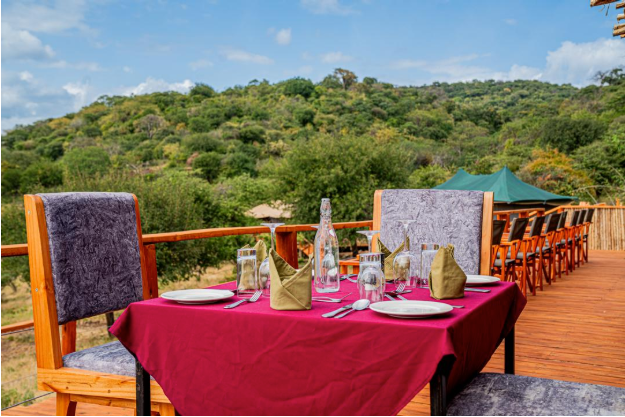
Picture yourself waking before sunrise to a lion’s low, rolling roar. There are no walls, no traffic and no screens, just canvas, starlight and the open plains of Tanzania. A Serengeti tented camp safari isn’t a trip you watch from a distance. You live it, from the first game drive at dawn to the last campfire story under a sky packed with stars.
This guide explains why a tented camp safari in the Serengeti is the most immersive way to experience East Africa, what you’ll see, when to go, and how to plan a journey you’ll talk about for the rest of your life.
Why a Tented Camp Safari in the Serengeti Is Unlike Any Other
The Serengeti ecosystem covers roughly 14,750 square kilometres of savannah, woodland and rocky outcrops. It’s a UNESCO World Heritage Site and home to one of the highest concentrations of large mammals on the planet. A safari here is not a single-day outing. It’s a multi-day expedition into a wilderness that changes character with every region you cross.
A tented camp safari places you inside that wilderness rather than on its edge. Because camps sit deep within or beside the national park, you spend less time travelling and more time with wildlife. Your first game drive can begin at first light, when predators are still active and the golden light makes every photograph look like a magazine cover. Your last drive can stretch into the soft glow of evening, when herds gather at waterholes.
That proximity is the real advantage. Safari is about timing, and being already in the right place at the right moment is what turns a good trip into an extraordinary one.
The Wildlife You’ll Encounter on Safari
The Serengeti is famous for good reason. On a well-planned safari you can expect to see:
- Lions, often resting in the shade of acacia trees or stalking the plains at dusk
- Leopards, draped over the branches of sausage trees and riverine woodland, especially around the Seronera area
- Cheetahs, using termite mounds and open grassland as lookout points
- Elephants moving through the woodland in family herds
- Hippos and crocodiles crowding the rivers
- Giraffes, zebras, buffalo, hyenas, jackals, topi, eland, and hundreds of bird species
Black rhino are present as well, though they are rare and sightings are never guaranteed. Your guide’s local knowledge makes all the difference here. Experienced Tanzanian safari guides read tracks, listen for alarm calls and interpret animal behaviour in ways that turn a drive into a living field lesson.
The Great Migration: The Main Event
No conversation about the Serengeti is complete without the Great Migration. Each year, well over a million wildebeest, accompanied by hundreds of thousands of zebras and gazelles, travel in a vast clockwise loop through the ecosystem in search of fresh grazing. It is one of the most spectacular natural events on Earth, and a tented camp safari lets you follow it.
January to March: calving season. The herds gather on the southern plains around Ndutu, and tens of thousands of calves are born within a few weeks. Predators follow closely, so this is outstanding for dramatic big cat action.
April to June: the move north. The herds stream through the central and western corridors. The landscape is green, the crowds are thinner and the atmosphere is quiet and cinematic.
July to October: the river crossings. The herds reach the northern Serengeti and face the Mara River, where crocodiles wait. Watching thousands of animals plunge into the water is raw, unforgettable and unscripted.
November to December: the return south. The short rains bring the herds back toward the southern plains, completing the circle.
Because the herds are always moving, many travellers choose a safari that includes more than one camp location, so they can be near the action wherever it is. That’s a major reason a tented camp itinerary beats a fixed-base trip: you move with the wildlife.
A Day on Safari: What to Expect
Every safari day has its own rhythm, but a typical day in the Serengeti looks something like this:
Dawn: Your guide greets you with coffee or tea before first light. You set off in an open-sided 4×4 vehicle while the plains are cool and the animals are most active.
Morning: You track predators, watch herds graze and stop for photographs. Many safaris include a bush breakfast, with eggs and fresh fruit served on the savannah itself.
Midday: You return to camp for lunch and rest during the heat, when most wildlife retreats to shade. This is a good time to catch up on photos, read, or simply watch the plains from your seat.
Afternoon: You head out again as the light softens. This second game drive often produces the best photography and, frequently, the best sightings.
Sunset and evening: You return to camp as the sky turns amber and violet. Dinner follows around a fire, with stories from your guide and the sounds of the African night all around you.
Ways to Enrich Your Serengeti Safari
A great safari goes beyond the standard game drive. Consider adding:
- A hot air balloon flight at sunrise. Drifting silently above the plains as the herds move below is one of Africa’s most celebrated experiences.
- A guided walking safari. Walking with an armed ranger and an expert guide changes how you notice the small things, from tracks and dung to insects and plants.
- A night game drive where permitted, which reveals nocturnal species such as genets, bush babies and civets.
- A cultural visit to a Maasai community, offering insight into the people who have shared this landscape for generations.
- Photography-focused drives, where the vehicle and schedule are built around light, positioning and patience.
Why the Guide Matters
A safari is only as good as the person leading it. Skilled guides spot a leopard in a tree that you’d drive past a hundred times. They know when to wait and when to move, and they understand animal behaviour well enough to anticipate a hunt or a river crossing before it happens. When you choose a safari operator, ask about guide experience, vehicle quality, group sizes and the policy on window seats. A private vehicle with a dedicated guide gives you flexibility to stay with a sighting for as long as you like.
Best Time to Go on a Serengeti Safari
- For the river crossings: late July to September
- For calving and predator action: The Serengeti rewards visitors all year, but your priorities will shape the best timing:January to March
- For fewer vehicles and lush scenery: April to early June
- For excellent resident wildlife and dry-season visibility: June to October
Book early, especially for the peak migration months. The best guides and the most desirable routes are reserved many months ahead.
Responsible and Sustainable Safari Travel
The Serengeti’s future depends on responsible tourism. Park fees and conservation-minded operators help fund anti-poaching patrols, community projects and habitat protection. Choose operators that employ local guides, limit group sizes, respect wildlife distances and care for the land. Travelling thoughtfully means the plains will still be thriving for the next generation of visitors.
Plan Your Serengeti Safari
A tented camp safari in the Serengeti is not just a holiday. It’s a chance to witness wildlife on a scale few places on Earth can offer, guided by people who know this land intimately. Whether you dream of watching a river crossing, tracking a leopard at dawn or simply sitting beneath the stars while hyenas call in the distance, this is the journey that delivers.
Ready to turn that dream into a plan? Contact our safari specialists to design a Serengeti itinerary around your dates, your interests and the movements of the herds.
Conclusion
A Serengeti tented camp safari puts you where the wildlife is, when it matters most. You gain unmatched access to game drives at the best hours, the chance to follow the Great Migration across the ecosystem and a closeness to nature that no lodge-based trip can match. With the right timing, an expert guide and a thoughtfully built itinerary, you’ll leave with memories, photographs and stories that last a lifetime. The plains are waiting. All that’s left is to go.
Key Takeaways
- A tented camp safari places you inside the Serengeti, so you maximise time with wildlife at dawn and dusk.
- The Great Migration moves year-round, so your travel dates should match the region you most want to see.
- River crossings peak from roughly July to October; calving season runs from January to March.
- Expert guides dramatically improve sightings and understanding of animal behaviour.
- Add-ons such as balloon flights, walking safaris and cultural visits deepen the experience.
- Booking early secures the best guides, routes and dates, especially in peak season.
- Choosing responsible operators supports conservation and local communities.
Frequently Asked Questions
How many days do I need for a Serengeti safari?
Four to six days in the Serengeti is ideal. This allows time to explore more than one region and improves your chances of strong sightings.
When is the best time to see the Great Migration?
It depends on what you want to see. Calving takes place from January to March in the south, while dramatic river crossings occur from July to October in the north.
Is a tented camp safari safe?
Yes. Camps are staffed by trained teams, and guests are escorted after dark. Following your guide’s instructions keeps the experience safe and enjoyable.
Can I see the Big Five in the Serengeti?
Lion, leopard, elephant and buffalo are regularly seen. Rhino are present but rare, so sightings are never guaranteed.
Is the Serengeti suitable for families and first-time safari-goers?
Absolutely. Many families and first-timers choose the Serengeti for its reliable wildlife viewing. Check minimum age policies with your operator when travelling with young children.
What should I pack for a safari?
Bring neutral-coloured clothing, layers for cool mornings, sun protection, a good hat, binoculars, a camera with a zoom lens and comfortable closed shoes.
Do I need vaccinations or travel insurance?
Requirements change, so check current health guidance with a travel clinic before departure. Comprehensive travel and medical insurance is strongly recommended.
Are private safaris better than group departures?
Private safaris offer more flexibility with timing and sightings, while group departures can be more affordable. The best choice depends on your budget and travel style.