

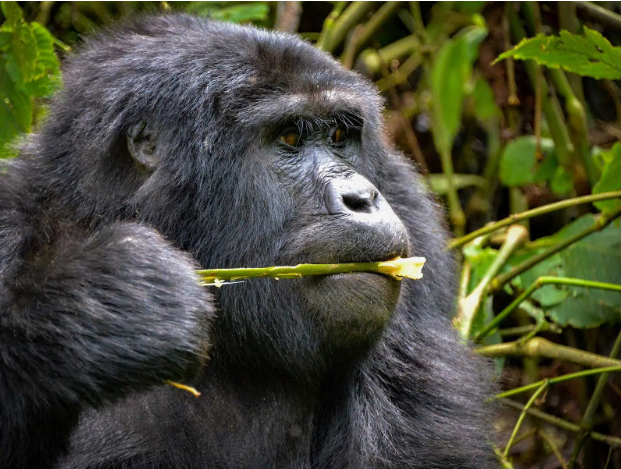
Many travellers assume that gorilla trekking in Uganda means a long journey from Entebbe, with a full day of driving before you even reach the forest. In reality, Kigali, the capital of neighbouring Rwanda, is one of the most efficient gateways to Uganda’s gorillas. A 3 day Uganda gorilla safari from Kigali lets you land, cross the border, trek in Bwindi’s southern sectors and return, all within a long weekend.
This guide explains how the route works, what the three days look like, what it costs, which paperwork matters and how to prepare.
Why Start from Kigali?
A much shorter drive. Bwindi Impenetrable National Park lies in southwestern Uganda, close to the Rwandan border. From Entebbe or Kampala, the road journey typically takes most of a day. From Kigali, operators generally quote around four to five hours to the southern sectors of Rushaga and Nkuringo, depending on border formalities and traffic.
Excellent air connections. Kigali International Airport is well served by flights from Europe, the Middle East and across Africa, and it is easy to navigate.
Good roads on the Rwandan side. The first stretch of the journey passes through Rwanda’s well-maintained highways and rolling green hills, making the transfer comfortable.
Lower permit costs than Rwanda. Uganda’s gorilla permit is cheaper than Rwanda’s, so starting from Kigali lets you save on the permit while keeping travel time short.
Easy to combine. If you want to see Rwanda’s gorillas too, you can add a trek in Volcanoes National Park before or after the Uganda leg.
Which Part of Bwindi Do You Visit?
Bwindi is divided into four main sectors: Buhoma, Ruhija, Rushaga and Nkuringo. From Kigali, the southern sectors are the practical choice.
Rushaga has the largest number of habituated gorilla families and is the only place that offers the gorilla habituation experience, which lasts up to four hours. It is accessible from Kigali and offers several lodge options.
Nkuringo has a single family and dramatic scenery, with steep terrain and sweeping views over the forest and valleys. It requires strong fitness.
Buhoma and Ruhija are further north and are better reached from Queen Elizabeth National Park or by domestic flight, so they are less suited to a three-day trip from Kigali.
Your gorilla permit is sector specific, so your operator will purchase it for the sector that fits your route. Family allocation within the sector is decided by the park on the morning of the trek.
Sample 3-Day Itinerary
Day 1: Kigali to Bwindi (Rushaga or Nkuringo)
Your driver-guide meets you at Kigali International Airport or your hotel, ideally by early morning. The first leg takes you south through Rwanda’s hills and farming communities to the border crossing with Uganda. Your operator typically arranges paperwork in advance to reduce waiting times, but you should still allow time for immigration and vehicle formalities. After crossing, the road climbs through Kisoro and into the Bwindi highlands. You arrive at your lodge in the afternoon or early evening, with time to rest, enjoy dinner and attend a briefing about the next day’s trek.
Tip: Travellers arriving on late flights should consider spending the first night in Kigali to avoid starting the drive tired.
Day 2: Gorilla Trekking in Bwindi
After an early breakfast, you drive to the ranger station for registration, a briefing and group allocation. Groups are limited to eight visitors per family. You hike with rangers and trackers, who follow the gorillas’ trail from the previous day. Treks in Bwindi can range from around two hours to six or eight hours in total, depending on where the family spent the night. Once you find the gorillas, you spend one hour with them, watching them feed, rest, groom and play. After the hike back, you return to your lodge for lunch and a relaxed afternoon. Optional activities include a community walk or a Batwa cultural experience.
Day 3: Return to Kigali
After breakfast, you drive back to the Rwandan border and then on to Kigali. The journey takes several hours, so plan your flight accordingly. An evening departure, or an extra night in Kigali, avoids rushing. If you have a late flight, you can fit in a visit to a market or the Kigali Genocide Memorial before heading to the airport.
Costs: What to Budget
Permit
Uganda’s standard permit for foreign non-residents has been widely reported at $800 per person under the current tariff, with some sources reporting a discounted rate of $600 in the low-season months of April, May and November. Pricing in Uganda has been revised in recent years, and some sources report further changes to certain permit categories, so always confirm the figure that applies to your date with your operator or the Uganda Wildlife Authority.
Other categories exist for foreign residents, other African visitors and East African citizens, and they are priced lower.
Everything Else
On top of the permit, a three-day trip includes:
- Accommodation: Two nights in the Bwindi region, from simple lodges to luxury camps
- Transport: A private 4×4 with a driver-guide, or shared transfers
- Meals: Often included with lodge stays
- Porters and tips: Inexpensive and highly recommended
- Visa and insurance: Check requirements and consider coverage that includes medical evacuation and permit cancellation
Published 2026 guides place Uganda gorilla trips in a broad range, from a bit over a thousand dollars per person at the budget end to several thousand at higher comfort levels. A three-day itinerary from Kigali usually sits toward the lower end of the longer-trip ranges, since fewer nights are involved, but cross-border transport adds some cost. Request an itemised quote and confirm exactly what is included.
Visa and Border Crossing
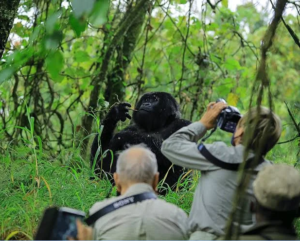
The border crossing is the most important logistical detail on this route.
Visa options. Many visitors use the East African Tourist Visa, which has been reported at around $100 and allows travel between Rwanda, Uganda and Kenya, subject to rules and your nationality. Entry requirements change, so check current regulations for your passport before travelling.
Documents. Carry your passport with sufficient validity and blank pages, proof of onward travel and any vaccination certificates required. Your operator should provide a permit confirmation and booking voucher.
Crossing times. Border crossings are usually manageable, but queues can vary. Starting early and having documents ready helps.
Vehicle arrangements. Make sure your operator is licensed to operate in both countries, or that they arrange a vehicle handover at the border. Ask how this works before you book.
Best Time to Go
Gorillas can be trekked all year, but conditions differ.
- Dry seasons (roughly June to September and December to February): Trails are firmer and easier, and these are the busiest months. Permits and lodges sell out early.
- Wet seasons (roughly March to May and October to November): The forest is lush and quiet, with discounted Uganda permits reported in some low-season months. Trails can be slippery, and waterproof gear is essential.
Because three-day trips have little slack, book your permit as early as possible for your chosen dates.
How Hard Is the Trek?
Bwindi is one of Africa’s most beautiful forests, but it is also steep, humid and dense. Trekking can be demanding, with climbs and descents over slippery ground at altitude. Some families are close to the trailhead, while others require several hours of walking each way. Your operator and the rangers will try to match you with a family suited to your fitness, but allocation is made by the park.
To prepare:
- Build stamina with hill walking and stair climbing in the weeks before travel.
- Break in your boots well before the trip.
- Hire a porter, since they carry your bag, help with balance and earn valuable income.
- Pack walking poles if you use them, as sticks are often provided locally.
What to Pack
- Sturdy, broken-in hiking boots with good grip
- Long trousers and a long-sleeved shirt in muted colours
- Waterproof jacket
- Gardening gloves
- Hat, sunscreen and insect repellent
- Daypack with water and snacks
- Camera with strong low-light performance, spare batteries and a rain cover (no flash)
- Passport and permit documents in a waterproof folder
- A change of clothes for the return journey
Travel light, since luggage space in vehicles and lodges can be limited.
Rules and Etiquette
Rangers brief you before every trek. The key rules are:
- The minimum age is generally 15.
- Groups are limited to eight visitors, with a maximum of one hour with the gorillas.
- Do not trek if you are ill. Gorillas are vulnerable to human illnesses, and rangers may refuse entry.
- Keep your voice low and maintain the distance recommended by your guide.
- Do not eat, drink or smoke near the animals.
- No flash photography.
- If a gorilla approaches, stay calm and follow your guide’s instructions.
Choosing an Operator
A cross-border three-day trip depends on tight logistics, so operator quality matters. Look for a licensed company with recent, verifiable reviews and clear pricing. Confirm that your permit is secured before paying in full, and ask who handles the border crossing, how long it usually takes and what happens if you face a delay. Check refund, rescheduling and cancellation terms, and clarify what is included, such as transfers, porters, meals and park fees. Be cautious of prices far below official permit rates.
Conclusion
A 3 day Uganda gorilla safari from Kigali is one of the most time-efficient ways to meet mountain gorillas. By flying into Rwanda’s capital and driving south, you cut travel time dramatically while still enjoying Uganda’s lower permit price and the dense, atmospheric forests of Bwindi. The trade-offs are a border crossing, a long travel day at each end and a physically demanding trek, but with early booking, careful planning and a reliable operator, three days is enough. Confirm permit prices and visa requirements, pack for rain and mud, build in buffer time around your flights and prepare to spend an hour in the company of one of the world’s rarest great apes.
Key Takeaways
- Kigali is a fast gateway to Bwindi’s southern sectors, with a drive of roughly four to five hours depending on the border.
- Rushaga and Nkuringo are the practical choices for a three-day trip from Kigali.
- Uganda’s standard permit has been widely reported at $800, with $600 reported in some low-season months. Verify current tariffs.
- Treks range from about two to eight hours in total, with one hour spent with the gorillas.
- Check visa requirements, including the East African Tourist Visa, and ensure your operator handles the border logistics.
- Book permits early, hire a porter and pack for mud and rain.
- Build buffer time around your return flight.
Frequently Asked Questions
- Can I do a Uganda gorilla safari from Kigali in three days?
Yes. One day for travel to Bwindi, one for trekking and one for the return to Kigali is a standard structure. - How long is the drive from Kigali to Bwindi?
Roughly four to five hours to the southern sectors, depending on border formalities and traffic. - Which sector is best for a trip from Kigali?
Rushaga and Nkuringo are the most practical. Rushaga has the most gorilla families and offers the habituation experience. - How much is the Uganda gorilla permit?
It has been widely reported at $800 for foreign non-residents, with $600 in some low-season months. Confirm the current price with the Uganda Wildlife Authority or your operator. - Do I need a visa?
Most visitors need a visa for Rwanda and Uganda, and the East African Tourist Visa is commonly used for combined trips. Check the latest rules for your nationality. - How long do I spend with the gorillas?
One hour once you reach the family. - How hard is the trek?
It can be demanding, with steep, muddy terrain and trek times from around two to eight hours. Moderate to good fitness and a porter are recommended. - What is the minimum age?
Generally 15 years. - Should I schedule a late flight home?
Yes. The drive back takes several hours, so an evening flight or an extra night in Kigali avoids stress. - Can I add Rwanda’s gorillas?
Yes. Many travellers trek in Volcanoes National Park before or after the Uganda leg, creating a double trek with a two-country comparison.