

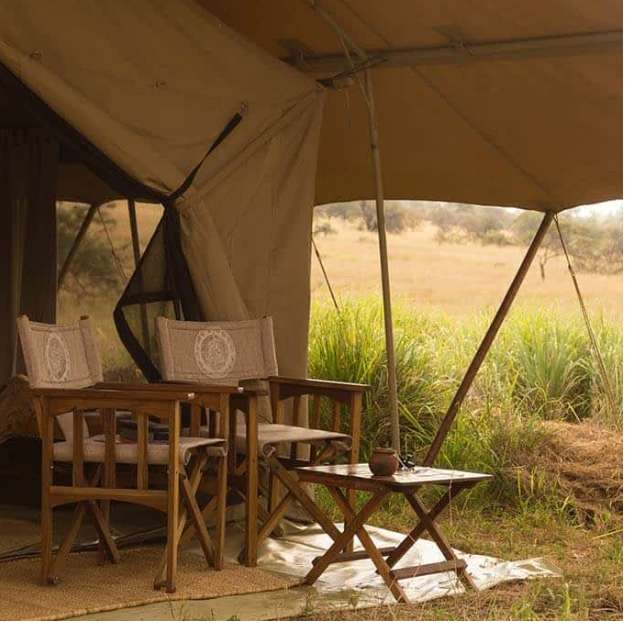
Few travel experiences compare with falling asleep to the distant call of a hyena and waking to golden light spilling across open plains. A Serengeti tented camp delivers exactly this: the thrill of the wilderness paired with the comfort of a well-appointed suite. As Tanzania’s most celebrated national park, the Serengeti draws travellers from around the world, and tented camps have become one of the most immersive ways to experience it. This guide explains what a Serengeti tented camp offers, how it differs from a conventional lodge, what to expect during your stay, and how to plan a trip that suits your travel style and season.
What Is a Serengeti Tented Camp?
A Serengeti tented camp is a small, low-impact accommodation made up of canvas-walled suites, typically set on raised platforms or solid bases and furnished with proper beds, private bathrooms, and comfortable seating. Despite the word “tent,” these are far removed from a basic camping trip. Expect quality linens, thoughtful lighting, and verandas made for watching the plains.
The canvas construction lets you hear the sounds of the night, while the structure itself remains secure and comfortable. Camps generally fall into two categories: permanent camps, which operate in one location year-round, and seasonal or mobile camps, which relocate to stay close to the wildebeest migration. Permanent camps offer consistency, fuller amenities, and a deeper connection to one landscape.
Why Choose a Tented Camp Over a Traditional Lodge?
Lodges and tented camps both have their place, but the camp experience offers distinct advantages:
- Immersion: With only canvas between you and the bush, the wilderness is part of your stay rather than a view from a window.
- Intimacy: Camps usually have fewer suites, which means quieter surroundings, more personal service, and less crowding at meals and viewing areas.
- Lower environmental impact: Lightweight construction disturbs the land less than large concrete buildings, which suits travellers who care about responsible tourism.
- Atmosphere: Lantern-lit pathways, open skies, and shared evenings create a sense of adventure that larger properties struggle to match.
For many guests, this combination of comfort and authenticity is exactly what makes a Serengeti safari memorable.
What to Expect Inside a Luxury Tented Suite
Modern tented suites are designed to blend with the environment while delivering real comfort. At Serengeti House of Nature, for example, spacious suites are elegantly furnished with modern amenities, so guests can fall asleep to the sounds of the wild and wake to views across the African savannah.
Room options matter, especially when travelling in a group. Camps often offer single, double, triple, and family configurations, so solo travellers, couples, friends, and families can each find a suitable layout. Practical touches make a difference too, such as free Wi-Fi in rooms and common areas, breakfast included in the rate, and round-the-clock reservations support for planning ahead.
Dining and Evenings at Camp
Meals are a highlight of any camp stay. After a full day of game drives, few things feel better than sitting down to a freshly prepared dinner in an open-air dining area while the Serengeti’s sights and sounds carry on around you. Good camp kitchens blend regional flavours with familiar international dishes, and they accommodate dietary needs when notified in advance.
Evenings are unhurried. Warm lights, quiet conversation, and a sky crowded with stars replace the noise of city life. Many guests say these peaceful hours become as treasured as the wildlife sightings themselves.
Wildlife and the Great Migration
The Serengeti is home to lions, leopards, elephants, buffalo, giraffes, cheetahs, and enormous herds of plains game. Its best-known spectacle is the Great Migration, in which more than a million wildebeest, along with zebra and gazelle, travel in a continuous loop in search of fresh grazing.
The herds do not follow a rigid timetable, but a general pattern holds. Calving takes place in the southern plains early in the year. The herds then move north and west, often reaching the western areas and the Grumeti River in the middle of the year, before crossing into the northern Serengeti and the Mara River from roughly July to October. Staying at a camp inside the park puts you close to the action, so game drives start early, when predators are most active, rather than after a long transfer.
Why Location Matters: The Ikoma Region
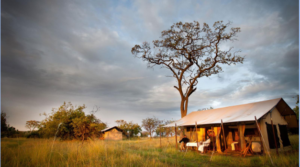
Where you sleep shapes your whole safari. Camps in the Ikoma area, on the north-western side of the park, offer a different character from the busier central hubs. The region is steeped in local history, and its quieter setting often means fewer vehicles at sightings and a stronger sense of solitude.
Choosing a camp in this part of the Serengeti also helps spread visitor pressure across the park, which benefits both wildlife and the overall guest experience. If you value space, scenery, and a peaceful atmosphere, the Ikoma region deserves a place on your shortlist.
Cultural Encounters
A Serengeti safari is about people as much as animals. The Maasai and other local communities have lived alongside wildlife for generations, and meaningful cultural experiences deepen any trip. Visitors can learn about traditions, take part in dances, and gain insight into how communities and nature coexist. The best experiences are respectful and community-led, and they leave a positive economic benefit locally.
Sustainability in the Wild
Responsible tourism is now a core expectation for many travellers. A well-run tented camp reduces its footprint through careful waste management, water conservation, solar or low-impact energy use, local hiring, and sourcing food and supplies regionally. When choosing a camp, look for clear evidence of these practices rather than vague claims. Eco-conscious camps protect the very landscapes and wildlife you travel to see.
The Best Time to Stay
The Serengeti rewards visitors year-round, though each season has its own appeal:
- Dry season (June to October): Excellent wildlife viewing, thinner vegetation, and the dramatic northern river crossings. This is peak season, so book early.
- Green season (November to May): Lush scenery, fewer visitors, newborn animals early in the year, and better value. Expect occasional rain.
Many travellers prefer the shoulder months for a balance of good sightings, pleasant conditions, and quieter roads.
Planning Your Camp Stay
A few practical steps make the trip smoother:
- Book early, particularly for June to October and the Christmas period.
- Allow at least three nights in the Serengeti so you are not rushing between sightings.
- Pack in layers, since mornings and evenings can be cool and midday warm, and bring neutral-coloured clothing, a hat, sunscreen, and binoculars.
- Confirm what is included, such as meals, drinks, laundry, and park fees, so there are no surprises.
- Combine your stay with Ngorongoro Crater, Tarangire, or Lake Manyara for a broader northern circuit itinerary.
Conclusion
A Serengeti tented camp offers something rare: genuine closeness to the wild without sacrificing comfort. From canvas suites that blend into the landscape to open-air dinners, cultural encounters, and game drives that begin at your doorstep, the camp experience turns a safari into a story you carry home. Whether you are planning a honeymoon, a family adventure, or a long-awaited wildlife trip, choose a camp that matches your priorities in location, service, and sustainability. Do that, and the Serengeti will take care of the rest.
Key Takeaways
- A Serengeti tented camp combines canvas-suite immersion with real comfort, including private bathrooms and quality furnishings.
- Camps are typically smaller and more intimate than lodges, with a lighter environmental footprint.
- Location shapes the experience, and the quieter Ikoma region offers space and solitude.
- The dry season (June to October) suits wildlife viewing, while the green season offers value and fewer crowds.
- Look for camps with varied room types, included breakfast, reliable Wi-Fi, and credible sustainability practices.
- Stay at least three nights to make the most of the park.
Frequently Asked Questions
Is a tented camp safe in the Serengeti?
Yes. Reputable camps follow strict safety procedures, including staff escorts after dark, secure construction, and briefings on wildlife behaviour. Guests are asked to follow guidance and avoid walking unaccompanied at night.
Are tented camps comfortable?
Luxury tented camps are very comfortable. Suites generally include proper beds, private en-suite bathrooms, and quality furnishings, which makes them far more comfortable than traditional camping.
What is the difference between a tented camp and a lodge?
A lodge usually has permanent buildings and more rooms, while a tented camp uses canvas-walled suites and tends to be smaller and more immersive. Both can offer high standards of service.
When is the best time to visit a Serengeti tented camp?
June to October is best for classic dry-season wildlife viewing, while November to May suits travellers who prefer green landscapes, fewer visitors, and lower rates.
How many nights should I stay?
Three to four nights is ideal for a balanced experience. Longer stays allow you to explore more areas and increase your chances of memorable sightings.