

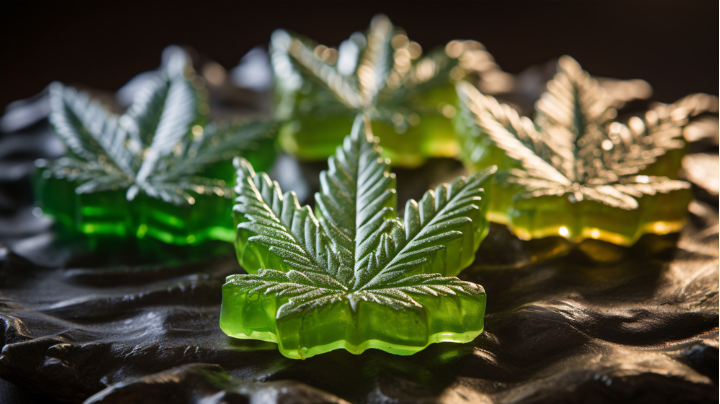
Medical cannabis users have access to a variety of products with different delivery methods. Among the most common are cannabis vapes and dry-heated flower. But some patients choose edibles. Each delivery method has its pros and cons. Each one also has its best use cases.
Are you new to medical cannabis? If so, this beginner’s guide to edible products should help you better understand one of the least talked about options for medicating. There is nothing to be afraid of where edibles are concerned. Under the right circumstances, they could be the best delivery method for you.
Edible Product Basics
Edible products in the medical cannabis space are products infused with THC and other cannabinoids and terpenes. They are consumed through oral ingestion. An edible can take the form of a:
- Capsule or tablet.
- Gummy.
- Oil or tincture.
- Drink or snack.
States with active medical cannabis programs may limit the types of edibles they allow. Take Utah, for example. Salt Lake City’s Beehive Farmacy says state law allows capsules, tablets, and gummies. It does not allow products like THC-infused drinks and snacks.
Delivery Through Normal Digestion
Medical cannabis edibles deliver THC through normal digestion. As an edible breaks down in the stomach, its components are absorbed through the digestive tract and sent to the bloodstream. Because digestion is a slow process, the benefits of medical cannabis in edible form are delayed.
Where a patient should experience THC’s effects almost immediately upon vaping, it takes much longer for the effects to kick in after oral consumption. Based on the chosen edible and what else the patient’s stomach is working on, the effects might not kick in for a couple of hours.
Edible Product Pros and Cons
There are pros and cons associated with using edible products. Let us start with the pros:
- No smoke or vapor to inhale.
- Discreet consumption and transport.
- More reliable scheduling.
- Longer lasting and smoother relief.
And now the cons:
- Delayed symptom relief.
- Difficulty in establishing the correct dosage.
- A higher risk of excessive dosing.
The biggest concern with edibles comes from a misunderstanding of the symptom relief delay. A patient may assume an edible product is not working effectively enough and then consume more as a result. The excess dosage can lead to an uncomfortable experience. It could even cause overdose symptoms, including anxiety, panic, increased heart rate, confusion, and vomiting.
Effectiveness for Pain and Nausea
A primary consideration for new medical cannabis patients is a product’s effectiveness. Pain and nausea are among the leading concerns listed by patients on medical cannabis card applications, so let us talk about them.
- Pain – Edibles seemed to work fairly well for treating chronic pain because of their delayed onset and longer duration. With symptom relief lasting up to six hours, edibles seemed to do a better job compared to inhaled medications.
- Nausea – Edibles do offer nausea relief within an hour or so. However, they do very little to help relieve nausea in the moment. So for patients needing more immediate relief, inhaled medications are a better option.
Of course, every patient is different. Your results with edibles are likely to differ from the results other patients experience. The good news is that trying edible products is not going to harm you.
You think edible medicines are the way to go, speak with your medical cannabis pharmacist. They can give you sound advice regarding which products to try, how to use them, and a good starting point for dosage and timing. With some fine-tuning, edibles could prove very helpful for your condition.