

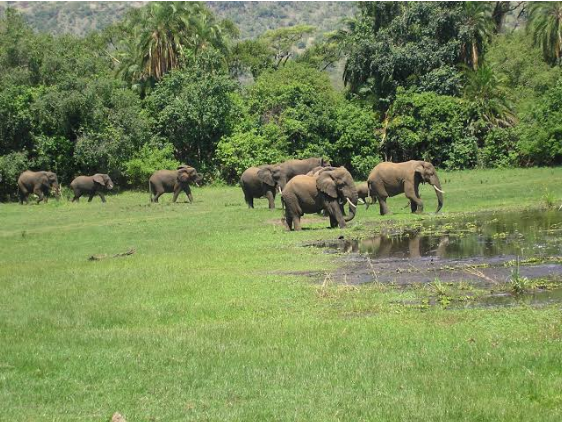
Most visitors arrive in Rwanda thinking of gorillas. Then they spend a morning in Akagera National Park, watching a giraffe tower over the acacia woodland while hippos grunt in a nearby lake, and the country suddenly looks very different. Akagera is Rwanda’s only savannah park, and it has become one of Africa’s strongest conservation comebacks.
Located in the east of the country along the Tanzanian border, Akagera offers game drives, boat safaris, night drives, and superb birdwatching, all within a few hours of Kigali. This guide explains what the park offers, when to go, how to get there, where to stay, and how to plan a rewarding visit.
About Akagera National Park
Akagera is a mosaic of rolling hills, open plains, acacia woodland, papyrus swamps, and a chain of lakes fed by the Akagera River, which flows into Lake Victoria. The park protects a rich range of habitats, and that variety supports an impressive diversity of wildlife.
Years of pressure on the park’s wildlife and land left it badly depleted. A long-term conservation partnership between the Rwandan authorities and an international conservation organization transformed its management. Anti-poaching efforts were strengthened, fencing and community engagement were improved, and key species were reintroduced. Lions returned, followed later by black rhinos, and the park now offers the chance to see all of the Big Five: lion, leopard, elephant, buffalo, and rhino. As with any wild animal, sightings are never guaranteed, but Akagera offers very good odds.
Wildlife You Can Expect to See
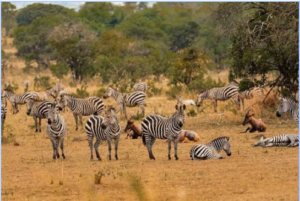
Large mammals. Elephants, buffalo, giraffes, zebras, hippos, and a range of antelope such as impala, topi, waterbuck, and bushbuck are regularly seen. Lions and leopards are present, and rhinos can be found with the help of experienced guides and trackers.
Hippos and crocodiles. Lake Ihema and the surrounding waterways hold large numbers of both, and boat trips offer close views.
Birds. Akagera is a favorite with birders. Wetland and savannah species include fish eagles, kingfishers, herons, and storks, and keen enthusiasts often hope to find the elusive shoebill in the papyrus swamps.
Nocturnal animals. Night drives may reveal civets, genets, bushbabies, and other species rarely seen by day.
Top Things to Do in Akagera
Game Drives
Morning and late afternoon are the best times, when animals are most active and the light is at its most flattering. Tracks wind through grassland, woodland, and lakeshore, and an experienced guide improves your chances by reading signs and listening for alarm calls.
Boat Safari on Lake Ihema
A cruise on Lake Ihema brings you close to hippos, crocodiles, and large flocks of water birds. The boat is quiet and low, which makes it excellent for photography, especially in late afternoon light.
Night Drives
Guided evening drives with spotlights offer a different perspective on the park. They are particularly rewarding for travelers who have already done daytime drives and want something new.
Birdwatching
With a long bird list that spans woodland, savannah, and wetland species, Akagera suits both casual and dedicated birders. Early morning boat trips and quiet walks near the lakes often bring the best sightings.
Community and Cultural Experiences
Visits to nearby communities, craft cooperatives, and cultural performances help you understand how people live alongside the park and how tourism supports local livelihoods.
Sport Fishing and Camping
Depending on current park offerings, fishing, camping, and picnic sites may be available. Check with the park or your operator for the latest options.
How to Get to Akagera
Akagera lies roughly two to three hours by road from Kigali, depending on the entrance and traffic. Most visitors travel with a driver-guide in a private vehicle, though self-drive is possible for confident drivers who have a suitable vehicle and understand park rules. The roads to the park are generally good, and tracks inside the park can be rougher, so a four-wheel-drive vehicle is advisable.
The park has multiple gates, including one in the south and one in the north, and your choice depends on where you are staying and what you plan to see. Ask your operator or lodge which entrance suits your itinerary.
Where to Stay
Akagera offers accommodation for a range of budgets, including lodges, tented camps, and campsites, both inside the park and just outside its boundaries. Staying inside the park saves travel time and puts you close to the wildlife at dawn and dusk, while staying nearby may suit tighter budgets. Book early in peak months, since the number of beds is limited.
Best Time to Visit Akagera
Akagera can be visited year-round, but conditions differ.
- Dry seasons (June to September and December to February): The best time for wildlife viewing. Vegetation thins and animals gather near water, which makes sightings easier. Roads and tracks are also drier.
- Wet seasons (March to May and October to November): The park turns lush and green, birdlife is excellent, and crowds are lower. Some tracks can be muddy, and animals may be harder to spot in denser vegetation.
Since it is October now, travelers aiming for the June to September window should begin arranging lodging and activities several months ahead.
How Many Days Do You Need?
A single night allows an evening game drive and a morning drive, which is a minimum worth doing. Two nights is better, giving time for a boat safari, a night drive, and a more relaxed pace. Three nights suits travelers who want to track rhinos, spend more time birdwatching, or simply slow down.
Combining Akagera With Other Rwanda Experiences
Akagera works well as part of a longer Rwanda itinerary.
- Gorilla trekking in Volcanoes National Park, on the opposite side of the country
- Golden monkey tracking and volcano hikes in the same park
- Chimpanzee trekking and the canopy walkway in Nyungwe Forest
- Lake Kivu, for a relaxing lakeside finish
- Kigali, with the Genocide Memorial, galleries, and cafes
A common itinerary is four to seven days, starting with Akagera for game drives, returning through Kigali, and finishing with a gorilla trek.
Costs and Budgeting
Your budget depends on the season, accommodation level, and activities. Typical costs include park entry fees, activity fees for game drives, boat trips, and night drives, accommodation, transport, meals, and guide services. Fees and conditions can change, so confirm current rates with the Rwanda Development Board, the park, or a licensed operator before you set a budget. Ask for an itemized quote so you can compare options fairly.
What to Pack
- Neutral-colored clothing, such as khaki, olive, or beige
- A hat, sunglasses, sunscreen, and insect repellent
- A light rain jacket and a warm layer for early mornings
- Comfortable closed shoes
- Binoculars, which add a lot to game drives and birdwatching
- A camera with a good zoom lens, plus spare batteries
- A refillable water bottle and snacks
- A small daypack
Park Rules and Etiquette
Stay inside your vehicle on game drives unless your guide says it is safe to step out. Keep your voice low, do not feed or approach animals, and respect speed limits. Follow your guide’s instructions at sightings, and never leave litter. Giving wildlife space is the best way to enjoy natural behavior and to keep the experience safe for everyone.
Safety and Health
Akagera is generally safe for visitors, and guides are experienced. Speak with a travel clinic about vaccinations and malaria prevention before you travel. Carry insect repellent and wear long sleeves in the evening. Buy travel insurance that covers medical care, evacuation, and trip cancellation.
Choosing a Responsible Operator
Look for a licensed local operator with itemized pricing, strong recent reviews, and clear cancellation terms. Ask how the company supports local communities and conservation. Responsible operators hire local guides, work with community-friendly lodges, and follow park rules. Be cautious of prices that look unusually low, since they may mean compromises on guiding, vehicles, or fair wages.
Why Visiting Akagera Matters
Akagera shows what is possible when protection, management, and community benefit work together. Park revenue supports anti-poaching patrols, wildlife monitoring, and projects that give neighboring communities a stake in conservation. Every visitor contributes to that effort, which makes a trip to Akagera both enjoyable and meaningful.
Conclusion
Visiting Akagera adds a different, equally rewarding dimension to a trip to Rwanda. Within a short drive of Kigali, you can watch elephants and giraffes on open plains, cruise past hippos on a quiet lake, and listen to the sounds of the African night. It is accessible, well managed, and varied enough to suit first-time safari-goers and seasoned wildlife lovers alike. Plan early for the dry seasons, give yourself at least two nights, bring binoculars, and travel with a trusted operator. Akagera rewards patience, and it pairs perfectly with the country’s gorillas for a complete Rwandan adventure.
Key Takeaways
- Akagera is Rwanda’s only savannah park, about two to three hours from Kigali.
- The park offers the chance to see the Big Five, though sightings are never guaranteed.
- Key activities include game drives, boat safaris, night drives, and birdwatching.
- Dry seasons are best for wildlife, while wet seasons are greener and quieter.
- Two to three nights is ideal for a relaxed visit.
- Akagera pairs well with gorilla trekking, Nyungwe, and Lake Kivu.
- Confirm current fees and conditions with the Rwanda Development Board or a licensed operator.
- Choose a responsible operator and follow park rules.
Frequently Asked Questions
Where is Akagera National Park?
It is in eastern Rwanda, along the border with Tanzania, roughly two to three hours by road from Kigali.
Can you see the Big Five in Akagera?
The park is home to lions, leopards, elephants, buffalo, and rhinos. Sightings are never guaranteed, but the park offers good chances.
How many days should I spend in Akagera?
One night is the minimum, two nights is ideal, and three nights suits travelers who want a slower pace or more specialized activities.
What is the best time to visit Akagera?
 June to September and December to February are the best for wildlife viewing, while the wetter months offer green scenery and fewer visitors.
Can I self-drive in Akagera?
Self-drive is possible with a suitable vehicle, preferably four-wheel drive. Many visitors prefer a driver-guide for better wildlife sightings.
What activities are available?
Game drives, boat safaris on Lake Ihema, night drives, birdwatching, and community visits are the main options.
Is Akagera safe?
It is generally safe for visitors who follow park rules and guide instructions. Check current travel advice and take health precautions such as malaria prevention.
Can I combine Akagera with gorilla trekking?
Yes. Many itineraries pair Akagera with Volcanoes National Park, using Kigali as the hub.
How much does it cost to visit Akagera?
Costs depend on the season, accommodation, and activities. Confirm current fees with the Rwanda Development Board or your operator and ask for an itemized quote.
Is Akagera suitable for children?
Yes. Game drives and boat trips suit families, though operators may set age limits for certain activities such as night drives.